Expert Roofer Offering Quality Roof Services
Appointing a professional roofer constitutes a strategic decision for property dwellers seeking quality roofing solutions. These practitioners not only ensure compliance with local building codes but also offer access to superior materials. Their ability to recognize and resolve foreseeable concerns promptly can economize significant time and money. Understanding the diverse roof alternatives available and their benefits can meaningfully improve this process. What points should property owners weigh when selecting the right professional for their needs?
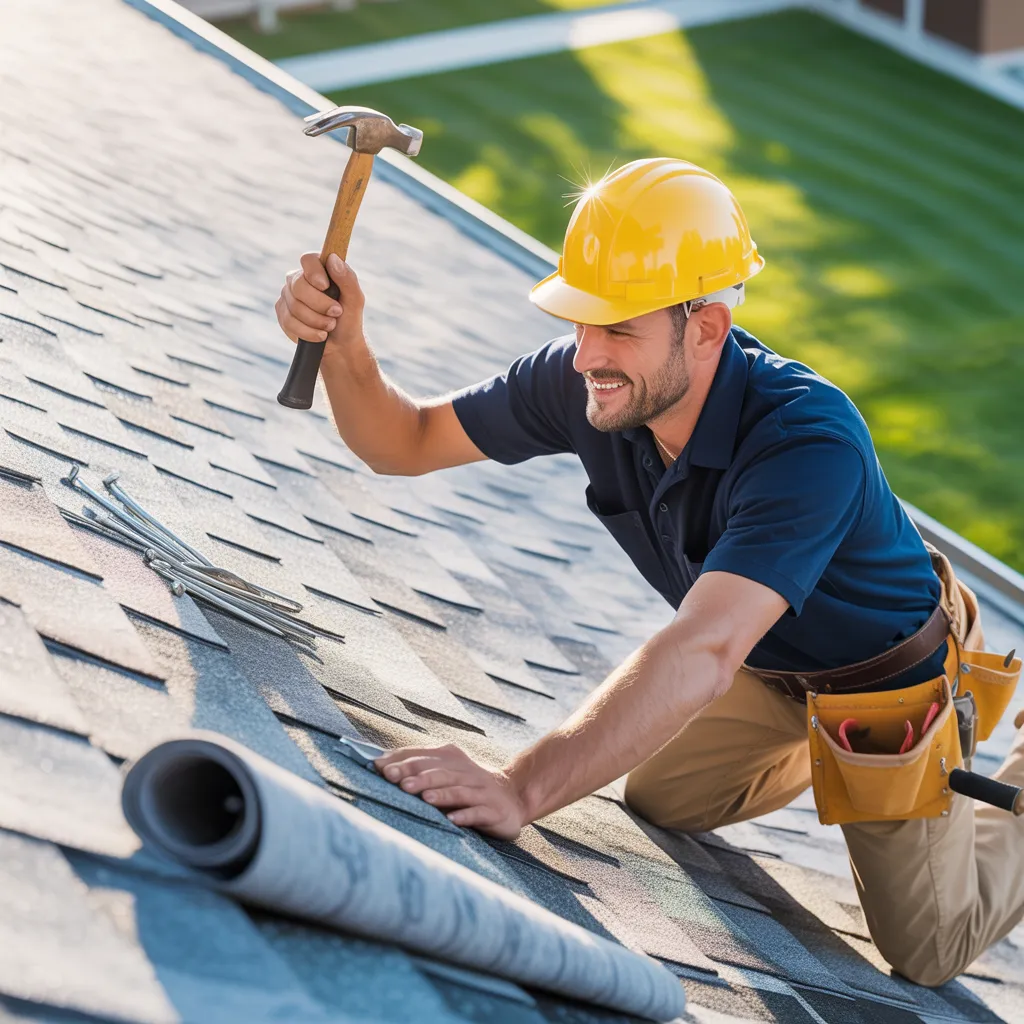
Why Employing a Professional Roofer Makes Sense
When deliberating a roofing project, hiring a professional roofer assures both superior results and safety. Professional roofers possess the vital expertise and knowledge to address diverse roofing challenges effectively. Their background permits them to identify potential issues before they worsen, guaranteeing enduring structural integrity. Additionally, they are conversant in local building codes and policies, which decreases the risk of legal complications.
Furthermore, expert roof technicians have availability of premium-grade supplies that may not be available to the typical property owner, improving the overall effectiveness of the roof structure. They also offer warranties that can deliver peace of mind, protecting the financial commitment made in the roofing project. Significantly, protection is critical; skilled roof contractors are equipped with the proper equipment and protective equipment to complete their labor without causing injury. To summarize, hiring a qualified roof specialist is a prudent choice for obtaining a reliable and secure roof remedy.
Your Manual to Top Roofing Materials and Their Benefits
Many roofing materials are available, each providing unique advantages suited to different requirements and tastes. Asphalt shingles are among the most popular due to their affordability, ease of installation, and variety of colors. Metal roofing, recognized for its strength and resistance to extreme weather, also bounces back heat, making it energy-efficient. Slate tiles provide a timeless appearance and exceptional longevity, while clay tiles deliver superior insulation and can withstand harsh climates.
For those looking for eco-friendly options, rubber materials is rising in demand; it copies the appearance of more costly goods and is fashioned with recycled materials. Wooden shakes furnish a genuine, vintage character but need more upkeep. To summarize, artificial roof solutions combine the finest elements of conventional choices, providing adaptability and toughness. Each substance brings unique advantages, ensuring it's necessary for homeowners to assess their goals and reach out to professionals when selecting the optimal roof option.
Common Roof Issues and How Professionals Handle Them
Standard roofing difficulties, such as moisture penetration and aqueous destruction, can produce notable constructional damage if not attended to promptly. Additionally, displaced or compromised shingles compromise the roof's solidity and render the home to further risks. Professionals employ multiple approaches to identify and resolve these predicaments, ensuring long-lasting protection and tranquility for homeowners.
Leaks and Water Harm
Leaks and water damage present major difficulties for homeowners, often leading to costly repairs and foundation issues. These problems typically arise from a range of causes, including aging materials, improper installation, or even extreme atmospheric events. Water seepage can damage insulation, promote mold growth, and weaken structural integrity. Professional roofers employ advanced techniques to identify and address leaks effectively. They perform comprehensive evaluations to pinpoint weak spots, using tools such as moisture meters and infrared cameras. Once identified, they implement targeted solutions, which may include sealing, flashing replacement, or, in severe cases, partial roof replacement. By addressing leaks promptly, professionals assist property owners mitigate damage, ensuring long-term protection and peace of mind.
Missing or Damaged Shingles
Roofing concerns often manifest through absent or worn shingles, which can undermine a home's protective barrier. These defects expose the foundational framework to environmental factors, possibly causing leaks and additional damage. Professionals generally conduct comprehensive evaluations to determine the extent of the damage. They may recommend substituting single shingles or entire sections, based on the severity. Using premium-grade materials, experienced roofers ensure correct setup to prevent future issues. Additionally, they assess the roof's overall condition to tackle any underlying problems, such as inadequate airflow or structural deficiencies. Routine upkeep and timely repairs are crucial for maintaining a roof's structural soundness, ultimately protecting the home against water intrusion and other natural dangers.
Selecting the Top Roof Choice for Your Home
When picking the top roofing solution for a home, it is vital to evaluate your specific roofing needs first. Understanding the range of roofing materials obtainable and their respective costs can significantly influence the decision-making process. Financial planning also serve an important function in guaranteeing that the chosen solution meets both aesthetic and functional requirements.
Analyzing Your Roofing Priorities
What is the best way to determine the most suitable roofing option for your home? Reviewing roofing requirements starts by examining the home’s design and the surrounding climate. Homeowners should weigh factors such as energy efficiency, durability, and maintenance needs. A careful inspection of the existing roof can uncover potential problems that could determine the choice of materials. Furthermore, budget constraints play a crucial role; understanding the long-term financial impact versus the initial expenditure is critical. Consulting with a qualified roofer can provide valuable insights and guidance tailored to individual requirements. Ultimately, the choice should combine visual choices with practical requirements, making certain the selected roofing option increases the home’s value while offering long-term defense.
Material Range Review
Pinpointing the ideal roofing materials constitutes a important step of the roofing process. Homeowners ought to examine multiple options, all possessing individual strengths and weaknesses. Asphalt shingles enjoy popularity for their reasonable cost and straightforward placement, meanwhile metal roofing furnishes robustness and thermal efficiency. Clay and concrete tiles render a refined, sturdy solution, particularly ideal for warm climates. Wood shakes present a natural allure yet call for higher maintenance. Synthetic materials, such as rubber or plastic, copy age-old styles while affording extended lifespan. Plus, sustainability factors might inspire certain homeowners to pursue green alternatives such as green roofs or secondhand materials. Fundamentally, determining the finest roofing material rests upon the home's appearance, climate, and individual taste.
Budget Considerations Clarified
Budgeting for a roofing project usually requires thorough consideration of several elements to guarantee homeowners select the most appropriate option for their needs. First, material selection has a strong influence on both initial costs and long-term durability. Asphalt shingles may be budget-friendly, while metal or tile options might offer increased lifespan but at a premium cost. Additionally, labor costs can fluctuate based on the roofing contractor’s expertise and the project’s complexity. Homeowners should also factor in potential hidden expenses, such as the need for structural repairs or permits. Finally, considering long-term savings through energy efficiency and warranties will help in arriving at a sound conclusion that balances upfront investment with future benefits.
A Guide to What Happens During the Roofing Installation
Understanding the nuances of the roof installation process can dramatically improve a property owner's experience over the course of a roof replacement project. At the outset, homeowners should expect a thorough complete guide evaluation of the existing roof to identify its structural integrity and the required work or updates. Once the review, a full estimate will outline the scope of work, components, and project duration.
Once the project commences, homeowners can expect an well-structured arrangement with protective measures in place to safeguard their property. The roofing crew will remove old materials, inspect the underlying structure, and install new roofing systems according to industry standards. Dialogue is essential, as homeowners should expect progress reports on advancement and any unforeseen issues.
Finally, the undertaking concludes with a thorough examination to ensure quality and compliance to requirements. Homeowners should also obtain upkeep advice to extend the lifespan of their new roof, reinforcing the significance of understanding the entire roofing procedure.
Why Routine Roof Inspections Matter
Although many property owners may neglect roof upkeep, regular check-ups are essential for preserving the integrity and durability of a roof. These inspections help detect minor issues before they develop into expensive maintenance. By detecting problems such as leaks, loose shingles, or moss growth early, homeowners can conserve both time and money.
Additionally, regular inspections verify that the roof complies with local building codes and regulations, which can avert future problems during property transactions. Seasonal changes can deteriorate roofing materials, making it important to monitor wear and tear.
Furthermore, a properly maintained roof boosts the overall aesthetic appeal of a home and raises its market value. Participating in routine inspections not only ensures the structural stability of the property but also delivers peace of mind for homeowners. Ultimately, focusing on roof assessments is a proactive approach to home maintenance that generates returns in the long run.
Finding and Engaging a Professional Roofer in Your Area
Upon acknowledging the importance of periodic roof assessments, homeowners frequently pursue skilled professionals for maintenance and repairs. Discovering a certified roofing professional in their area can prove challenging; however, a few vital tips can ease the process.
Initially, homeowners should ask for referrals from buddies, family members, or neighbors who have recently had roofing work done. Online reviews and ratings on platforms like Google and Yelp can also give valuable insights into a roofer's credibility.
After a list of potential candidates is assembled, homeowners should verify credentials, containing licenses and protection. Obtaining several quotations lets them to evaluate pricing and services delivered.
Moreover, asking about protection plans and promises can help assure enduring performance. By adhering to these guidelines, homeowners can confidently engage a professional roofer who meets their specific needs, ensuring their roofs stay in peak condition for years to come.
Frequently Asked Questions
What Qualifications Must I Seek in a Expert Roofer?
If you're seeking a qualified roofing specialist, you should concentrate on qualifications including proper licensing, comprehensive insurance, extensive experience, positive customer reviews, and adherence to industry standards. These factors assure reliable workmanship and protection against potential liabilities.
How much time Should You Expect for a Conventional Roofing Project to be finished?
A standard roofing project generally takes between one to three days, based on the size and intricacy of the roof, environmental factors, and the crew's efficiency. More expansive or more intricate roofs may need extended timeframes.
Are Roofing Warranties Transferable if I Sell Off My Home?
Roof warranties are usually transferable, but specific stipulations must apply. Residents should study the guarantee documentation for specifics on transferability, as some suppliers require notification and may have time limits for the transfer process.
What should I Do if I Notice Roof Damage After a Storm?
If roof damage is suspected after a storm, the homeowner should look over the roof for detectable concerns, catalog any damage, and reach out to a professional for an appraisal to determine vital repairs and forestall further setbacks.
How Can I Preserve My Roof Between Expert Evaluations?
Regularly examine the roof for debris, check for worn shingles, and clean gutters to avoid water buildup. Fix small issues quickly and keep an eye out for signs of leaks or wear between professional inspections.